Skip to content
Skip to content
INVINCIBLEHUMAN Speak with Jon

Original Myndlift film. Muse EEG in use, followed by brainwave maps and alpha readings on the phone.

PRIVATE MENTAL FITNESS

YOUR MIND.YOUR EDGE.

A personal practice for the demands of your life. Built around attention. Delivered by Jon.

EXECUTIVE FOCUS PROGRAM

8 weeks. 8 weekly remote sessions with Jon. 30 minutes each.
$15,000.00 USDPer person · complete eight-week programme
Scroll to explore

THE SIGNAL / THE SCIENCE / YOUR PRACTICE

SEE THE SIGNAL. UNDERSTAND THE PRACTICE.

Start at the scalp. Discover the Muse contact points, separate electrical from optical sensing, then look inside the reference brain. Scroll to rotate, reveal and learn.

HUMAN BRAIN / INTERACTIVE 3D

Reference anatomy and illustrative Muse fit. Cortical folds come from FreeSurfer fsaverage5; the registered scalp comes from MNE. Highlights and wave traces explain the technology, not your live brain activity. Sources and credits below.

Different scales, one complex signal. These traces illustrate rhythm; they are not your measurements.

01 / THE BRAIN AND THE SENSORS

ON THE SCALP. AT THE SOURCE.

Muse sits against the scalp, outside the skull. AF7 and AF8 record at the forehead; TP9 and TP10 sit behind the ears. An FPz reference supports these four EEG channels. Scroll to follow the contact points around the head.

The band senses tiny voltage differences. It does not send electrical stimulation into the brain. The reference head and approximate band fit make the contact positions easier to understand.

Explore all Muse contact positions

WHERE MUSE RECORDS / ON THE SCALP

Schematic top view of the scalp. Muse EEG contacts AF7 and AF8 at the front, TP9 and TP10 behind the ears, and FPz reference at the forehead midline. The upper pointer indicates the front. AF7 AF8 TP9 TP10 FPz TOP VIEW · FRONT AT THE TOP

AF7 + AF8 / FOREHEADTwo front EEG contacts record voltage differences relative to the reference. They do not isolate the PFC.

TP9 + TP10 / BEHIND THE EARSTwo side contacts add channels from these scalp positions. A contact name is not a map of one brain lobe.

FPz / REFERENCEThe front midline reference supports the EEG measurement. It is not a separate mental-state reading.

ATHENA ALSO ADDS OPTICAL fNIRSMuse S Athena adds a separate light-based signal related to blood oxygenation over the prefrontal area. It is an indirect optical measurement, distinct from the four EEG channels and their frequency bands. Muse 2 and S Gen 2 do not have this fNIRS sensor.

Approximate positions follow the Muse 2, S Gen 2 and S Athena specifications. This is a scalp diagram, separate from the exposed brain illustration, and not a fitting guide. Follow your model’s instructions.

Ask Jon about a Muse demonstration

02 / READ THE SIGNAL

ELECTRICITY. WITH CONTEXT.

EEG records a changing signal over time. Software can estimate how much activity sits in different frequency ranges, but a recording also contains the effects of blinks, jaw tension, movement and imperfect contact.

Athena adds a separate optical fNIRS signal related to prefrontal blood oxygenation. It is not one of the EEG frequency bands. Blinks, jaw tension, movement and contact quality also affect what the recording can tell us.

Explore a guided first session

03 / UNDERSTAND THE RHYTHMS

FIVE BANDS. ONE COMPLEX BRAIN.

Frequency describes how quickly a rhythm repeats, in cycles per second, or hertz. Researchers group parts of the EEG signal into bands. The names are useful shorthand; their meaning depends on context, location, task and the way the signal was measured.

These are associations, not a menu of mental states. More alpha does not always mean better relaxation. More beta does not always mean better focus. A qualified professional considers the whole recording and the person.

Discuss your focus practice with Jon

1 / 5A different rhythm

DELTA

0.5 to 3 Hz

The slow rhythm of deep sleep.

Illustrated rhythm. Approximate band. Not live EEG.

Delta activity is prominent during deep non-REM sleep. Slow rhythms also appear in other contexts, so a delta reading needs the context of the whole recording.

Your practice with Jon

Build a more consistent evening routine with Jon. Review your sleep experience and available Muse sleep insights to decide what to keep practicing over the next eight weeks.

Discuss your sleep routine with Jon

2 / 5A different rhythm

THETA

4 to 7 Hz

Attention has more than one rhythm.

Illustrated rhythm. Approximate band. Not live EEG.

Theta can appear during drowsiness. Frontal theta is also studied when a task calls for cognitive control and working memory. Location and the task change the meaning.

Your practice with Jon

Practice noticing when attention wanders and returning to a chosen focus, such as the breath. Jon helps you structure short sessions and reflect on what you notice across them.

Plan a consistent practice with Jon

3 / 5A different rhythm

ALPHA

8 to 12 Hz

A quieter moment. Still awake.

Illustrated rhythm. Approximate band. Not live EEG.

Alpha is often stronger during relaxed, eyes-closed wakefulness, particularly over posterior areas. It changes when you open your eyes and redirect attention.

Your practice with Jon

Explore a short resting or meditation practice. Combine the available feedback with your own experience of settling, then build a repeatable reset between demanding commitments with Jon.

Discuss a personal reset with Jon

4 / 5A different rhythm

BETA

13 to 30 Hz

Engage with the task in front of you.

Illustrated rhythm. Approximate band. Not live EEG.

Beta activity is studied during alert thinking and motor processes. The pattern changes with the task, and muscle tension can influence scalp recordings in this range.

Your practice with Jon

Use Executive Focus to structure focused work blocks, notice distractions and review your routines with Jon. Your eight-week plan turns the lesson into a practical habit you can revisit.

Request your Executive Focus proposal

5 / 5A different rhythm

GAMMA

30 to 100 Hz

Fast signals. Careful interpretation.

Illustrated rhythm. Approximate band. Not live EEG.

Gamma is studied in perception and local neural processing. High-frequency scalp signals are particularly sensitive to facial and neck muscle activity, so recording quality matters.

Your practice with Jon

Start with a comfortable fit, a still posture and a relaxed jaw. Jon supports setup and consistent practice; a qualified neurofeedback professional interprets recordings and sets any professional training targets.

Discuss supported neurofeedback practice

Approximate ranges follow Myndlift’s teaching convention. Several rhythms can be present at once, and their meaning depends on the task, recording site and signal quality. A useful routine starts with your goals and your experience across sessions. Professional neurofeedback targets are personalized.

04 / THE FRONT OF THE CORTEX

PLAN. SELECT. RETURN.

The frontal lobe includes motor and association areas. Its anterior prefrontal cortex, or PFC, contributes to planning, working memory, response control and directing attention, together with wider brain networks.

The highlight identifies an educational frontal lobe group from the reference atlas; the PFC marker identifies an anterior frontal area. Forehead EEG contacts record a mixture of sources. They cannot isolate one thought, prove a PFC improvement or tell us which frequency you should reinforce.

Discuss Executive Focus with Jon

05 / SPACE, SENSATION AND SOUND

THE SIDES OF THE STORY.

Parietal regions help integrate sensory information and support spatial attention. Temporal regions contribute to hearing, language and memory. Everyday attention emerges through cooperation across these networks.

The parietal and temporal regions are highlighted here to explain anatomy. TP9 and TP10 are scalp contact names near the ears, not direct or exclusive measurements of these lobes. Sources mix as electrical activity reaches the scalp.

Plan a calm-down routine with Jon

06 / THE BACK OF THE CORTEX

PROCESS THE PICTURE.

Occipital regions are central to visual processing. In many resting EEG recordings, alpha activity is prominent towards the back of the head, particularly with eyes closed. That pattern is context dependent.

Muse has no standard on-head occipital contact in the AF7, AF8, TP9 and TP10 layout shown above. The occipital highlight teaches visual anatomy; it does not show an occipital scan or predict sleep quality.

Discuss your evening routine with Jon

07 / THE TOOLS AND THE PEOPLE

MUSE SENSES. MYNDLIFT TRAINS. JON SUPPORTS.

Muse provides compatible sensing hardware and its own meditation experience. Myndlift is a separate neurofeedback platform that can use compatible Muse hardware, with training and professional support arranged through that service.

Jon supports the practical routine, setup, reflection and follow-through. Assessment, EEG interpretation, sensor placement, frequency targets and protocol changes belong to your qualified neurofeedback professional. You do not need two headbands or two apps running at once.

Discuss your existing professional plan

08 / MAKE IT PERSONAL

YOUR PRACTICE. YOUR NEXT STEP.

Start with the situation you want to work on: a demanding workday, a reset between commitments or a more consistent evening routine. Jon helps you choose a manageable practice and a clear way to reflect on it.

Executive Focus is the main eight-week engagement. The first conversation confirms fit and practical scope. Sending an enquiry does not reserve a place or take a payment.

A practical next step, personally with Jon

$15,000.00 USDPer person / complete eight-week Executive Focus programme

8 weeks. 8 weekly remote sessions personally with Jon. 30 minutes each.

Your enquiry goes to Jon. Scope, availability, scheduling and payment are confirmed personally in writing. Devices, subscriptions and external professional services are separate.

Request your eight-week proposal from Jon

BRAIN ANATOMY / REGIONS AND CONNECTIONS

REGIONS COOPERATE. RHYTHMS CHANGE.

Explore the folded cerebral hemispheres, cerebellum and brainstem in 3D, then the functions of these connected systems. The separate scalp diagram explains where Muse records. The smaller structures remain neutral because Muse does not directly measure them.

Prefrontal networks

Planning, working memory, response control and attention draw on prefrontal networks. Frontal-midline theta is studied in cognitive-control tasks.

A frontal reading does not isolate one region, measure willpower or select a frequency target.

Parietal networks

Parietal regions contribute to spatial attention and the integration of sensory information. Alpha and other rhythms change with task demands across distributed attention networks.

Location and frequency must be interpreted together with the task and recording method.

Temporal networks

Temporal regions contribute to auditory processing, language and memory. Theta and gamma relationships are studied in memory processes across several brain systems.

Scalp EEG does not directly isolate deep memory structures such as the hippocampus.

Occipital networks

Occipital regions support visual processing. Posterior alpha, often described around 8 to 12 Hz, is commonly prominent during eyes-closed rest.

This is a context-dependent association, not a sleep diagnosis or a universal calm score.

Sensorimotor networks

Sensorimotor regions participate in movement. Beta, often described around 13 to 30 Hz, changes before, during and after movement in many experimental settings.

Movement and muscle activity can also contaminate scalp recordings. A trace alone does not prove motor improvement.

Cerebellum

The cerebellum sits below the back of the cerebrum. It contributes to coordination, balance and learning precise movements, through connections with other brain systems.

It is labelled for anatomical context. The four Muse scalp channels do not directly measure the cerebellum.

Brainstem

The brainstem connects the brain with the spinal cord and supports vital functions, including breathing, as well as pathways carrying information between brain and body.

It is labelled for anatomical context. This diagram does not imply that Muse records the brainstem or controls vital functions.

The rotating model is reference anatomy with cortical Desikan-Killiany atlas labels grouped for teaching. It is not your brain or a clinical scan. Muse records voltage differences at a few scalp contacts; it does not directly scan each highlighted lobe or measure the cerebellum, brainstem or deep structures. Clinical interpretation and training targets belong to a qualified professional.

3D anatomy, reference atlas and source licence

The 3D model is a web presentation derivative of the FreeSurfer fsaverage5 pial cortical surfaces, matching Desikan-Killiany annotations and matching aseg volume, obtained from the official MGH distribution. The two cerebral hemispheres retain their source shapes, proportions and relationship. Cerebellum and brainstem outer surfaces were extracted from the registered reference volume, with modest voxel smoothing; fine cerebellar folia and internal brainstem divisions are not resolved. Educational lobe groups and rendering colours were added. Scalp, skull and device geometry are not included. The fallback medical illustration is NIH NIAID BioArt. This reference visualization is for education, not clinical use. Source contributors do not endorse Invincible Human.

Read the complete source licence and credits ↗

The head surface is an fsaverage reference scalp from MNE, registered in the same MRI coordinate frame as the brain. The Muse band and contact layout are educational approximations, not device CAD or an individual fitting guide.

Read scalp source attribution and licence ↗

01 / The signal starts here

MEASURE FIRST. UNDERSTAND MORE.

A headband makes a small part of brain activity visible. Knowing what it measures is the starting point for using the feedback well.

Woman wearing a Muse EEG headband beside the Muse Live Brainwave Session interface and Alpha Peak display
Muse manufacturer photography and interface illustration.
EEG

Electrical activity. Measured at the scalp.

Muse EEG sensors detect tiny voltage differences through contact points around the forehead and ears. Software processes these signals into the feedback and summaries you see. Good contact, movement and eye activity affect the recording.

fNIRS

A different signal. On Muse S Athena.

Athena adds fNIRS: light-based sensing of changes related to blood oxygenation over the prefrontal area. It adds an indirect optical signal alongside EEG, rather than directly measuring focus. Muse 2 does not include fNIRS.

These sensors measure signals. They do not send electrical stimulation into the brain. A consumer headband does not read thoughts or reveal every brain region.

Explore Muse sensing

Bring your existing device, your questions and the routine you want to build. Jon can discuss the practical setup with you.

Leave your email to discuss Muse

02 / Make the patterns visible

ONE SIGNAL. MANY RHYTHMS.

Brain activity contains overlapping rhythms. Myndlift BrainSnapshots turns recorded data into frequency-band views, helping a professional discuss the patterns and the recording conditions.

BrainSnapshots. The manufacturer view.

Official Myndlift demonstration. The video shows band maps and a peak-alpha display. It is manufacturer example material, not your live data or an Invincible Human client result.

Delta

About 0.5 to 3 HzProminent during deep sleep. A daytime value alone does not establish fatigue or sleep quality.

Theta

About 4 to 7 HzStudied in memory and cognitive control. More is not automatically better or worse.

Alpha

About 8 to 12 HzOften seen during relaxed wakefulness. Eyes open or closed and task context matter.

Beta

About 13 to 30 HzStudied during active thinking and movement. Interpret it with the task and the person.

Gamma

About 30 to 100 HzStudied in information processing. Muscle activity can also add noise at higher frequencies.

These are approximate band labels. All bands contribute to brain activity; there is no single best frequency to maximise. Patterns depend on the person, task, recording quality and context.

A topographic display illustrates processed measurements across the available sensor positions. It is not a whole-brain or deep-brain scan, a diagnostic map or proof of a particular mental state.

03 / The learning loop

MEASURE. FEEDBACK. PRACTISE. REVIEW.

Neurofeedback links a measured signal to a response you can notice. In a Myndlift professional route, the target and review belong to the qualified professional responsible for your plan.

  1. Measure the signal.

    Fit the compatible EEG headband, check sensor contact and establish a usable recording. The session starts with the signal you are actually measuring.

  2. Set the target.

    Your Myndlift professional selects and reviews the training target and settings. Muse meditation experiences use their own supported feedback modes.

  3. Notice the feedback.

    A game, sound or other supported response changes when the measured signal meets the assigned target. The response gives you a cue during practice.

  4. Repeat and review.

    Practise consistently, compare sessions in context and take questions to the professional. Jon helps organise the practical routine around the agreed plan.

Conceptual explanation of the feedback loop. The icons are illustrations, not measured brain activity or a working app.

The experience depends on the device, software, contact quality and plan. Invincible Human routine support does not prescribe or change clinical EEG protocols.

Leave your email to discuss neurofeedback
Myndlift manufacturer illustration showing a person wearing compatible Muse hardware and using the training app
Myndlift manufacturer photography and training illustration.

04 / What changes on screen

A GAME. WITH A FEEDBACK LOOP.

The activity gives the session a visible response. What makes it neurofeedback is the link between the measured EEG signal and the feedback defined by the training plan.

An ordinary game

You act. The game responds.

Your taps, timing or controller input affect the game. A score alone does not tell you how your EEG activity changed.

A neurofeedback activity

The signal also affects the feedback.

Supported rewards or feedback respond to the EEG target assigned in the professional plan. You practise with that cue, then review the session in context.

A training reward is not proof of improved work performance or a clinical outcome. Myndlift access, compatible hardware and professional services are arranged separately.

Leave your email to discuss MyndliftSee how Myndlift works
SEE THE REAL TRAINING.

Intact official Myndlift footage showing headband fitting, a provider call, a training game and app displays. Manufacturer demonstration, not an Invincible Human client result. Your assigned experience depends on the professional plan.

05 / From the session to your day

DIFFERENT GOALS. REPEATABLE ROUTINES.

Focus, relaxation, sleep and meditation are ways to structure practice. A frequency band is not an on switch for any one of them.

Focus.

Prepare for a concentrated block of work. Build a short practice, reduce avoidable interruptions and review how consistently you follow the routine.

Explore Executive Focus

Relax.

Create a pause after demanding meetings or before the next task. Use a manageable routine and personal check-ins instead of chasing a perfect score.

Explore Stress Recovery

Sleep.

Give the evening a consistent structure. Overnight features need a compatible sleep-capable Muse model and app access; Muse 2 is for awake practice.

Explore Sleep Recovery

Meditation.

Practise noticing distraction and returning to your chosen point of attention. Supported Muse audio feedback can provide a cue while you sit.

Explore Brain Fitness

Your work, travel and preferences shape the practical plan. Jon helps you choose an achievable starting point and review it over the eight weeks.

Plan a routine personally with Jon

MUSE S ATHENA / FROM SENSING TO UNDERSTANDING

SEE THE RHYTHMS. LEARN THE SIGNAL.

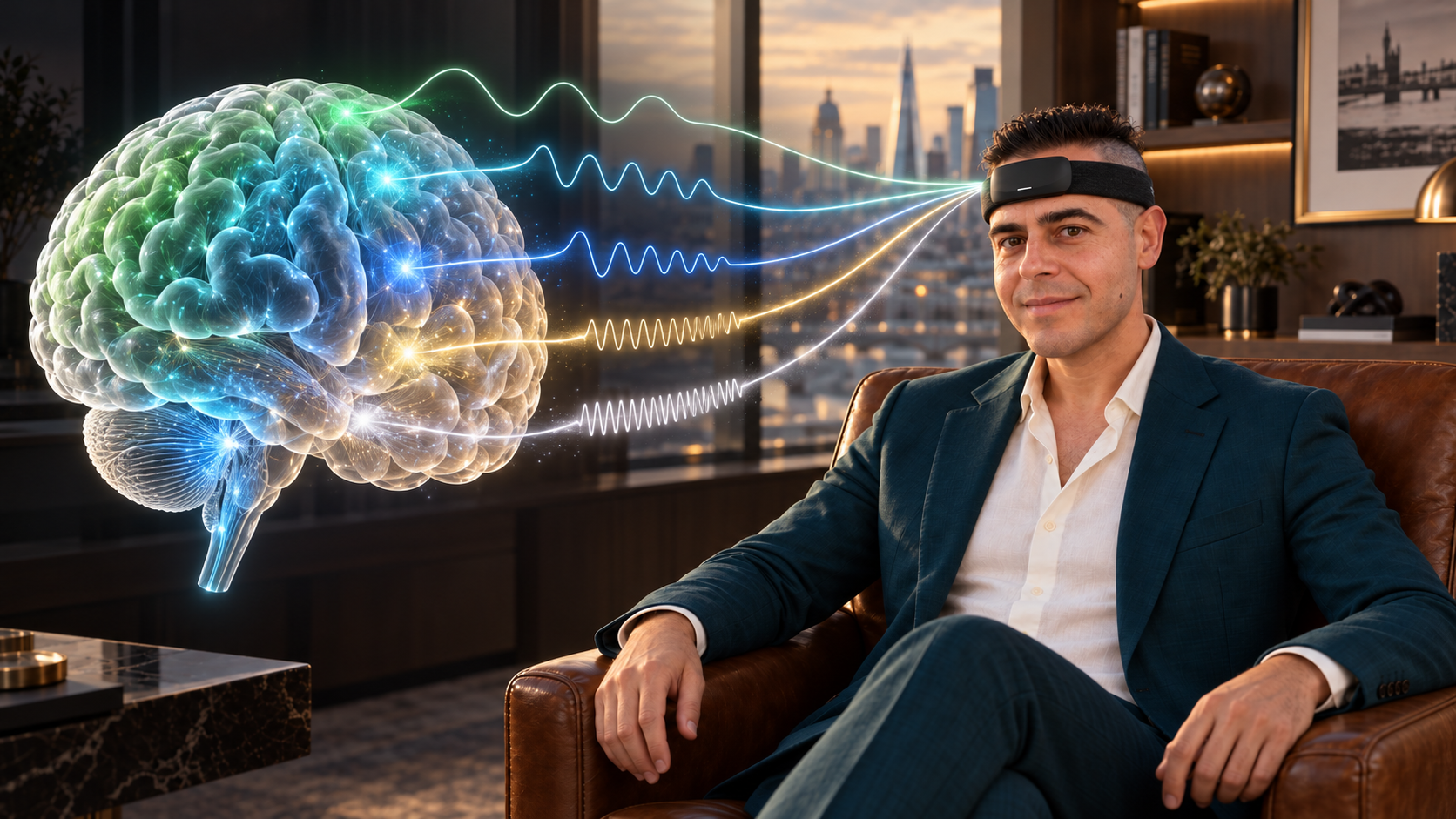
AI-created educational portrait of Jonathan Riesel wearing Muse S Athena in a luxury office, with a separate reference brain and five illustrated frequency traces linked to the headband.
DELTA0.5 to 3 HzTHETA4 to 7 HzALPHA8 to 12 HzBETA13 to 30 HzGAMMA30 to 100 Hz
AI-created editorial scene based on Jonathan Riesel’s portrait. The reference brain and five signal ribbons are educational illustrations, not a scan of Jon’s brain, his EEG measurements or electricity emitted by the headband. The coloured connections do not assign individual frequency bands to specific brain regions.

One recording can contain several rhythms at once. The five illustrated bands run from slower delta to faster gamma. Learn what the headband records, what the software shows and how a practical routine fits into your life, personally with Jon.

Leave your email to discuss Muse Athena

THE EIGHT-WEEK JOURNEY

BUILD THE PRACTICE.

One clear intention. A weekly session with Jon. Small, deliberate practices between conversations.

WEEKS01 / 02

SET UP.

Choose the intention. Understand the tools. Establish a starting routine.

WEEKS03 / 04

REPEAT.

Practise. Remove friction. Review what you are noticing.

WEEKS05 / 06

APPLY.

Bring the routine into deep work, recovery or a real situation.

WEEKS07 / 08

CONTINUE.

Review the eight weeks. Leave with a practical continuation plan.

Any separate Myndlift training follows your own professional plan, including its frequency and session length.

Read the full weekly plan

PERSONALLY WITH JON

30 MINUTES. FULL ATTENTION.

Eight weekly remote sessions, delivered personally by Jon. A dedicated place to review the week, work through the practical details and choose your next step.

Start a conversation with Jon

05MIN

CHECK IN

Your week. Your practice. What got in the way.

10MIN

WORK TOGETHER

Setup, an agreed exercise or a practical routine.

10MIN

BRING IT INTO LIFE

Connect the practice with the situations that matter.

05MIN

CHOOSE THE NEXT STEP

Leave with a small practice and a useful observation.

Illustrative 30-minute session structure. The emphasis adapts to your programme and experience.

SIX PROGRAMME PATHWAYS

CHOOSE YOUR DIRECTION.

The same personal commitment. Six different intentions. Every programme runs for eight weeks, with eight weekly remote sessions of 30 minutes with Jon.

Man wearing a black Muse 2 headband, eyes closed, against a dark background
01

PRINCIPAL ENGAGEMENT

Executive Focus Program

A demanding calendar needs a deliberate focus practice. Build a repeatable way to settle, choose one task and return when your attention drifts, with eight weeks of personal support.

$15,000.00 USD8 weeks · 8 sessions with Jon
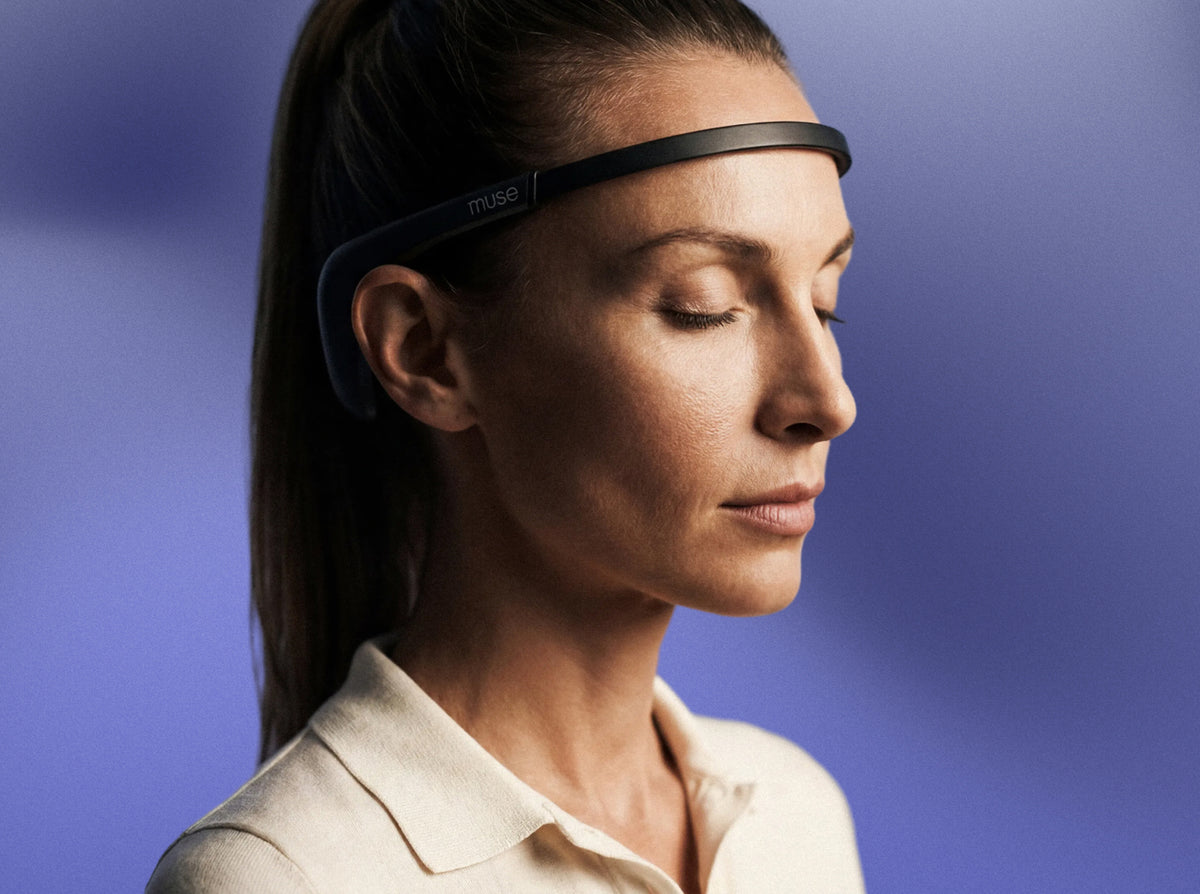
Woman wearing a Muse headband with eyes closed against a purple background
02

Relax & Stress Recovery

Put a practical recovery routine between the demands of your day. Explore comfortable relaxation practices, use feedback when it helps and build a calmer transition from work into your own time.

$7,500.00 USD8 weeks · 8 sessions with Jon
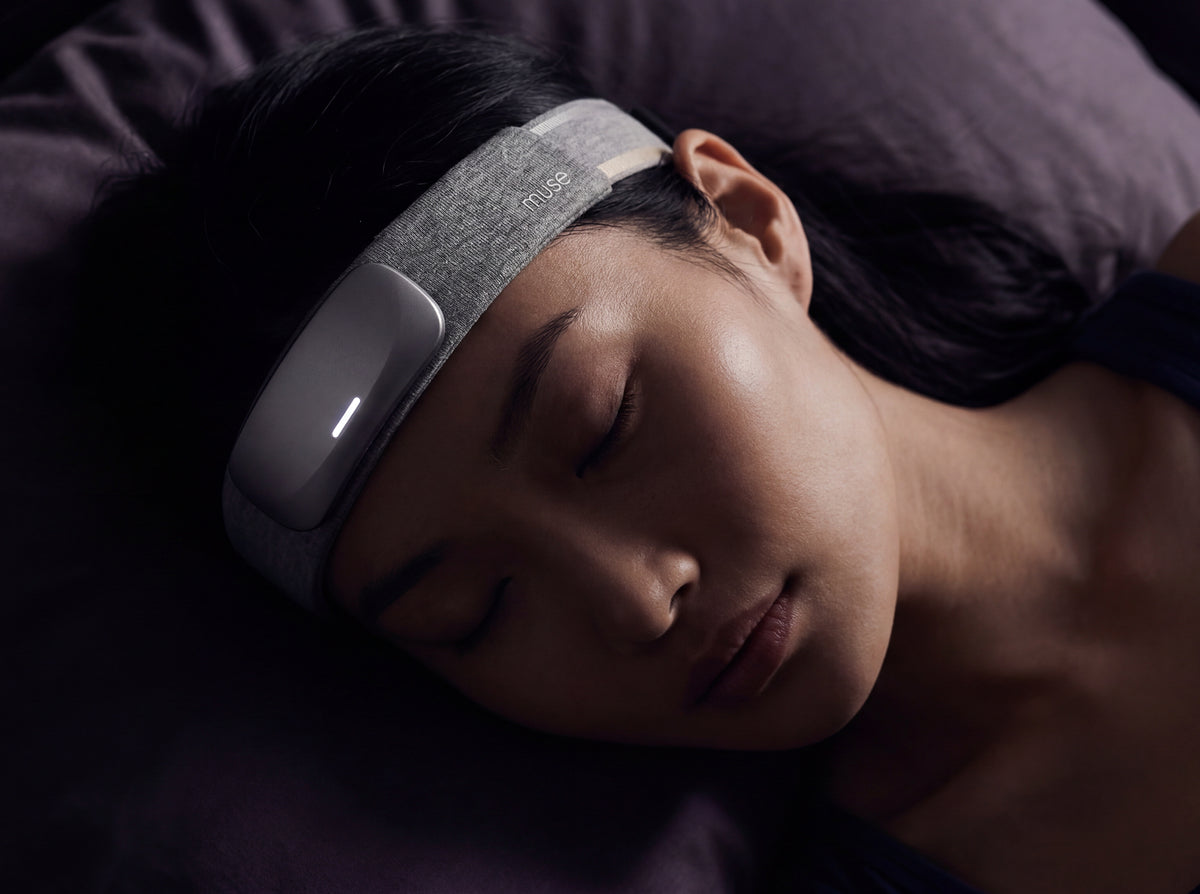
Woman asleep wearing a Muse S headband
03

Sleep & Recovery

Build a wind-down routine around the life you actually lead. Combine a simple diary, practical habit coaching and optional Muse sleep features to understand your evenings and create a clearer path into rest.

$9,500.00 USD8 weeks · 8 sessions with Jon
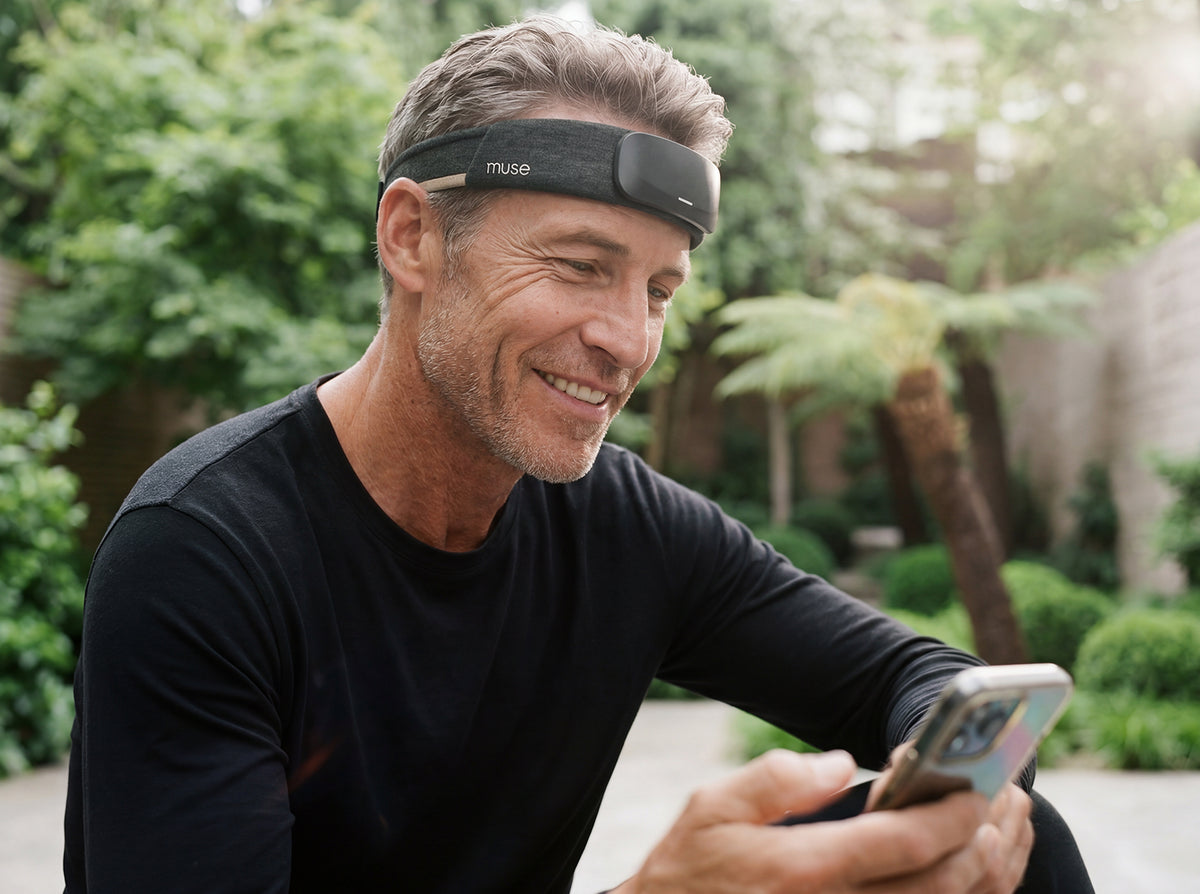
Man wearing a Muse S headband and looking at his phone outdoors
04

Brain Fitness Routine

Start with a practice you can repeat. Learn the tools, remove the friction and build a sustainable mental-fitness routine through eight weeks of practical guidance.

$7,000.00 USD8 weeks · 8 sessions with Jon
Man fitting a Muse headband before an at-home Myndlift session
05

Performance Preparation

Choose one presentation, interview, creative task or demanding work situation. Build a repeatable preparation routine, rehearse it and examine what remains useful when the moment arrives.

$12,500.00 USD8 weeks · 8 sessions with Jon
Person wearing a compatible Muse EEG headband while using a Myndlift training game on a phone
06

Personalized Neurofeedback Support

You have an individual neurofeedback plan. Now build the practical routine around it, with support for setup, app navigation, consistency and useful questions for your own qualified professional.

$15,000.00 USD8 weeks · 8 sessions with Jon

Fees are per person and cover your sessions with Jon and practical programme support. Hardware, subscriptions, assessments and external professional fees are separate. Applicable tax is confirmed in the written proposal.

Woman wearing a Muse headband with eyes closed against a purple background

BUILT AROUND YOUR LIFE

BEFORE THE MEETING. AFTER THE PRESSURE. WHEN THE DAY ENDS.

A preparation cue before demanding work. A pause between intense moments. A transition into your evening. Choose a practical routine around the life you already lead.

Muse wellbeing practice. Manufacturer imagery.

THE WELLNESS SHOP

THE RIGHT TOOLS.

The programme comes first. Then the equipment that fits your practice. Explore Muse and the Myndlift route, with personal guidance from Jon before any separate quotation.

Myndlift app showing training activities and games on a phone

MYNDLIFT

Explore the separate software and professional neurofeedback route for compatible hardware.

Explore Myndlift

Only Muse and Myndlift are featured in this collection. Equipment, subscriptions and external services are quoted separately, with availability confirmed personally.

Enter the Wellness Shop

GO DEEPER

KNOW THE TECHNOLOGY.

The devices. The experience. The research. Explore the full Muse and Myndlift resources here inside Invincible Human.

MUSE / 9 RESOURCES
MYNDLIFT / 10 RESOURCES
BEFORE YOU START

Do I need both Muse and Myndlift?

No. The two platforms have different roles and can use compatible hardware. The right setup depends on your chosen practice, your equipment and any professional plan you already have. We confirm this before booking.

Is hardware or a subscription included?

The programme price covers Invincible Human sessions and practical support. Muse hardware, app subscriptions, assessments and external neurofeedback fees are separate. Jon confirms any additional equipment or services with you before booking.

Who chooses a neurofeedback protocol?

Your qualified neurofeedback professional is responsible for assessment, EEG interpretation, electrode placement, frequency targets and protocol changes. Invincible Human supports the practical routine and does not prescribe a clinical protocol.

How do I book and pay?

Send your enquiry to Jon using the form on this page. He discusses the scope with you, prepares a written proposal and personally confirms the schedule and manual payment arrangements. Your enquiry does not confirm a booking or take a payment.

PERSONALLY ARRANGED

DIRECT TO JON. AT EVERY STEP.

  1. 01

    THE CONVERSATION

    Tell Jon what you want to work on. Discuss the scope and availability.

  2. 02

    THE WRITTEN PROPOSAL

    Review the fee, programme, schedule and any separately quoted tools.

  3. 03

    YOUR CONFIRMED START

    Agree the calendar and manual payment arrangements with Jon directly.

BUILDING WITH NEUROTECHNOLOGY / SDK EXPLORATION

BUILD WITH BRAIN DATA.

Explore what a licensed Muse SDK could make possible: supported sensor streams, custom visual experiences and personal check-ins. A scoped feasibility conversation comes before any build.

Illustrative capabilities / Subject to access and licensing

Live signal views.

Connect compatible hardware and visualise supported streams with signal-quality information. Confirm the exact model, firmware and available data before designing an experience.

Custom experiences.

Explore a personal visual dashboard, educational interface or consented research prototype. Recording and playback can help developers test an experience before any live study.

Personal check-ins.

Design user-chosen recordings at agreed points during the day. Keep the context and permission to share clear. Repeated recordings can support a research question; they do not certify work readiness.

Commercial use requires the appropriate Muse SDK licence and agreement. Research has a separate vendor route. Supported Athena signals must be confirmed. Myndlift is a separate service; a general public API or automatic integration is not promised.

For demanding professions, including healthcare, aviation, driving and finance, any proposal concerns voluntary wellbeing education or separately consented research outside active duties. This service does not determine fitness for duty, rank employees or control another person’s brain.

Bring a personal dashboard, education or voluntary research idea. Jon can discuss the purpose, scope and whether a properly licensed project is feasible.

Leave your email to discuss an SDK project

YOUR NEXT CHAPTER

LET’S BEGIN.

Tell Jon what you want to work on. He will review your enquiry, discuss availability and prepare your written proposal.

EXECUTIVE FOCUS PROGRAM

$15,000.00 USD

8 weeks · 8 weekly remote sessions · 30 minutes each · personally with Jon

All programmes are arranged directly with Jon. Your enquiry does not confirm a booking or take payment.

Jon confirms your scope, schedule and payment manually. This enquiry does not confirm a booking or take a payment. Please do not include medical records or sensitive health details.